
01
Set the right QC expectations and check the overall item
Joyagoo’s shopping guidance says the warehouse performs a quality check and supplies several photos after an item arrives. That service gives the buyer visual evidence before international shipping. It does not turn a photograph into an authentication certificate, and it cannot prove qualities that are not visible, such as long-term durability, battery health or how a fabric feels in person.
Use QC photos to answer concrete questions: did the seller send the selected colour and model, is the pair complete, are major parts aligned, is damage visible and does the size evidence make sense? The process works best when each acceptance decision is tied to something observable rather than a general feeling that the item looks good.
Keep the live seller listing open during inspection. Spreadsheet titles are deliberately short and can omit a version name, material option or package choice. The relevant comparison is the warehouse item against the exact variant in the paid order, not against a similar photo found elsewhere.
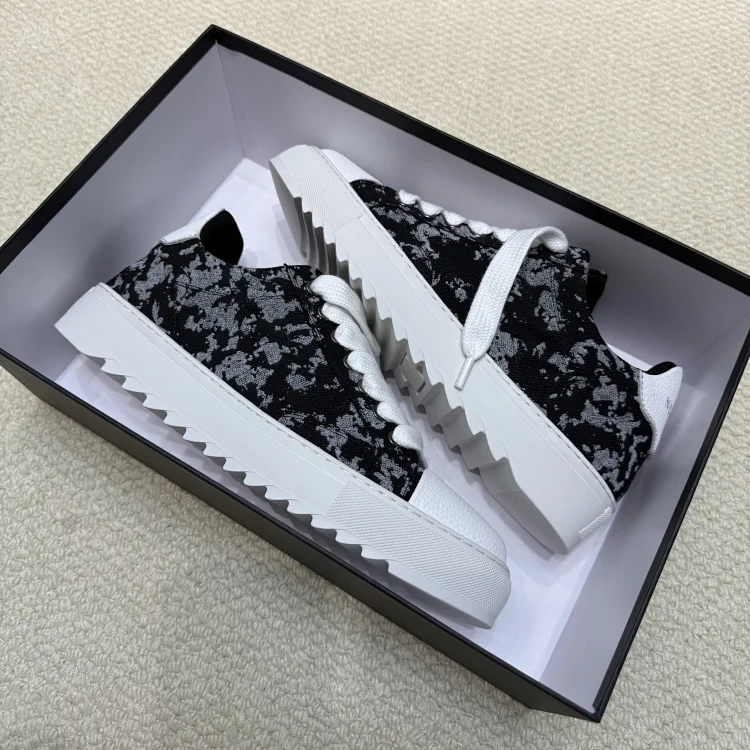
Start wide before zooming into details. Confirm that the number of items, basic silhouette, colour family and major panels match the order. For a pair of shoes, both shoes should be visible. For a set, count every expected component. For electronics, confirm the model marking and included accessories shown in the seller description.
Colour is affected by lighting and camera processing, so a minor screen difference is not automatically a defect. Look for strong mismatches, uneven dye, stains or a different selected colour. If the hue is important, ask for a neutral-light photo with a clear instruction instead of trying to judge several compressed screenshots.
An obvious wrong variant should be documented immediately. Note the order option, identify the QC image and explain the difference in one sentence. This gives the agent a usable comparison when speaking with the seller and reduces the chance that a general complaint is treated as personal preference.
02
Inspect construction, labels and selected details
Move from the overall product to seams, edges, bonding, prints, hardware, closures and paired symmetry. Shoes need attention at toe shape, heel alignment, sole attachment and the left-right match. Clothing needs checks around collars, cuffs, hems, zippers, embroidery and printed placement. Bags need strap anchors, hardware finish and closure alignment.
Do not rely on the first front-facing image. A flaw can sit on the heel, underside, inner label or back panel. Open the full warehouse image set and compare the same feature on both sides. Zooming is useful, but remember that compression can create false edges or hide fine texture.
Separate a visible construction problem from an authenticity claim. A photo may reveal crooked stitching or missing hardware, but it cannot reliably settle every brand-authentication question. Make the decision around the evidence the warehouse can provide and the level of risk you are willing to accept.
Labels and logos are useful checkpoints because they can expose the wrong model, colour code or size. Compare placement, spelling, orientation and the specific tag expected for the ordered version. Do not spend so much time on one logo that you miss a damaged zipper, missing accessory or mismatched pair.
For printed products, compare scale and location as well as the artwork itself. A print can be technically present but visibly shifted. For hardware, check the count and whether protective film is still attached. For packaged electronics, look for the exact model number and plug or regional detail described in the listing.
If a seller image is stylised or incomplete, do not invent a standard that the listing never promised. Save the source images before purchase when a detail matters. Evidence is strongest when you can show what was selected, what the seller presented and what arrived at the warehouse.
Overall item → both sides → labels and details → measurements → packaging.
03
Verify measurements and preserve packaging
A size tag confirms what is printed on the item; it does not confirm the actual dimensions. Sellers may use different size charts, and two items carrying the same label can fit differently. Before purchase, compare the seller’s stated measurements with a similar item you already own rather than relying only on S, M or an EU shoe number.
After arrival, request a ruler photo when a dimension will decide whether you keep the item. Use one precise instruction per photo: insole heel to toe, chest measured flat, shoulder seam to shoulder seam, waist width or bag opening. State whether the measurement should be taken straight or around a curve.
Joyagoo’s value-added-services table lists detailed photos at $0.15 each both during the original order and after warehouse arrival. That published price makes targeted measurements inexpensive, but repeated vague requests still waste time. Plan the measurement before submitting the instruction.
Packaging is not only a shipping question. Joyagoo’s return policy says some returns require the product to remain new and resalable, with tags, accessories and packaging intact. The policy lists products that may become ineligible when packaging or tags have been removed at the customer’s request.
Confirm that expected boxes, dust bags, manuals, cables, spare parts or branded accessories are present before accepting the item. If packaging arrived damaged, distinguish cosmetic damage to the box from damage to the product. Decide whether you need the original packaging for protection, collection value or possible return.
Do not request box removal until the QC decision is final. Removing packaging may reduce international volume later, but it can also weaken protection and affect return eligibility. The correct order is inspect, decide, then optimise the parcel.
04
Request useful evidence and act before the deadline
A request such as take more photos is too broad. Warehouse staff need a subject and an angle. Better instructions are: photograph the right heel seam from ten centimetres away, measure the removable insole from heel to toe, or show the model number beside the order label.
Use the existing QC set to avoid duplicates. Identify what is missing, then ask for the smallest number of images that can answer the question. One measurement photo may settle a fit concern; two opposing angles may settle symmetry. Extra images should reduce uncertainty, not simply make the gallery larger.
When the new image arrives, compare it with the original question. If the evidence shows the product is acceptable, record the decision. If it shows a problem, cite that specific image in the return request. This makes the extra-photo service part of a disciplined decision process.
Joyagoo’s return policy says a return request must be submitted within five days, or 120 hours, after the status changes to QC Completed. The shopping guide gives the same five-day timing. This deadline is much shorter than the published 90-day free warehouse-storage period.
Set a notification or personal deadline when QC images appear. Waiting until every item in a larger haul reaches the warehouse can cause the first order’s return option to expire. If the return button has disappeared, the policy says the product may have passed the returnable period.
The window does not make every product eligible. Seller rules, product type, resale condition and packaging requirements still apply. Submit the request promptly, keep enough account balance for any required fee and let the agent confirm the seller’s response.
05
Describe defects and make the final decision
Write the problem as an observation rather than an emotional conclusion. Wrong size tag, missing cable, split seam visible in photo three or left shoe colour differs from right are usable descriptions. Bad quality without a reference gives the agent less evidence for seller communication.
Link the observation to the purchased variant or seller description. If the issue is a measurement, state the advertised figure and the warehouse measurement. If it is damage, note the location and whether packaging appears affected. Keep screenshots of the order and listing when the difference is important.
Joyagoo’s policy distinguishes quality problems from no-fault returns when discussing responsibility for shipping. A clear evidence trail helps support the correct category, although the seller and platform rules still determine the outcome.
Before accepting an item, confirm five things: the correct variant arrived, the construction is acceptable, important measurements are known, expected accessories are present and the packaging decision is intentional. Then check whether any unresolved issue could become expensive or irreversible after international shipping.
If the item passes, keep the QC images with the order record and plan packaging for the parcel stage. If it fails, preserve all tags and packaging, submit a specific request within the live window and avoid changes that could make the item non-resalable.
A Joyagoo spreadsheet makes discovery faster, but QC is where the purchase becomes real. The most reliable approach is neither automatic acceptance nor searching every pixel for perfection. It is a consistent review that uses the exact listing, visible evidence and the published decision window.
READY TO BROWSE?
Use the product spreadsheet
Open the product catalogue, compare the live listing, and save the original product link before ordering.