
01
Treat QC as a decision point, not a gallery
The most common mistake with warehouse photos is to scroll through them quickly, decide that the item looks roughly right and move on. Joyagoo’s published shopping guidance gives QC a much more important role. After an item reaches the warehouse, staff inspect it and upload several photos. The buyer can then compare what arrived with what was ordered before the product is included in an international parcel. Once the item leaves the warehouse, that useful pause in the process is gone.
QC does not turn the warehouse into a brand authenticator, materials laboratory or fitting room. A photograph cannot prove long-term durability, fabric feel, battery health or every hidden construction detail. It can, however, reveal a wrong colour, an incorrect model, missing parts, obvious damage, uneven construction, a suspicious size label or packaging that does not match the paid option. The right question is not “Does this look perfect?” but “Do these images answer the conditions that would make me keep or reject this item?”
Open the exact paid order and the current seller listing before inspecting. Spreadsheet titles and saved screenshots are useful for discovery, but they often shorten variant names or omit packaging choices. Compare the warehouse item with the colour, size, quantity and version that appears in your paid order. That avoids rejecting a product because it differs from a similar listing you never actually selected.
Use each photo to answer a specific acceptance question. Do not treat a large number of images as proof that every risk has been checked.
02
Begin with identity, quantity and the full silhouette
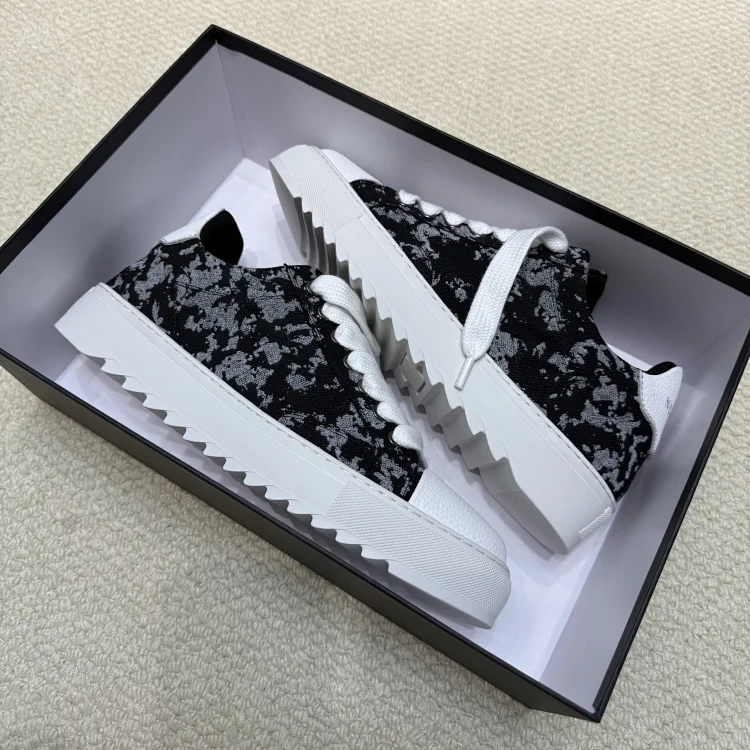
Start broad before zooming into stitching. Confirm that the number of pieces matches the order and that the main shape, colour blocking, model and included components are correct. For a pair of shoes, check that both shoes are present and appear to be the same model and size. For a garment, confirm front, back, colour, print placement and the selected version. For an electronic accessory, look for the ordered model designation and the advertised components that can be verified visually.
Next compare proportions. A front photograph can hide a distorted side profile, an uneven sole or a missing rear detail. Review every available angle and compare left with right where symmetry should exist. Strong colour differences deserve attention, although warehouse lighting and screen processing can shift hue. If colour is critical, ask for a photograph under neutral light rather than trying to settle the question from compressed thumbnails.
Packaging belongs in this first pass when it affects the product’s condition or return eligibility. A crushed outer shipping box is not automatically product damage, but an opened seal, missing retail box or absent accessory can matter. Record what is visible before asking the warehouse to remove packaging. Joyagoo’s return policy says product condition and packaging requirements can affect whether a seller accepts a return.
03
Inspect construction in a repeatable order
A repeatable sequence prevents the loudest feature from distracting you from smaller problems. For footwear, work from the toe shape to the side panels, heel, outsole, interior label and accessories. Compare the two shoes for height, panel position, stitching and colour. Look for lifted edges, glue marks, open seams and hardware that sits differently from one side to the other. A single straight-on image is rarely enough to judge the rear or sole edge.
For clothing, inspect the neckline, shoulder seams, print or embroidery position, cuffs, hem, fasteners and visible fabric marks. A fold can imitate a crooked seam, so use another angle before calling it a defect. For bags and accessories, check closures, straps, attachment points, lining openings and the pieces included in the paid variant. Describe visible observations rather than guessing at a cause.
Separate cosmetic preference from objective mismatch. “I do not like how it looks” is difficult for an agent to use with a seller. “The right heel seam is open in photo four,” “the ordered black variant arrived in blue,” or “the listing includes two straps but only one is visible” creates a checkable issue. This language also makes your own decision more consistent when several products arrive on different days.
04
Use measurements when fit or compatibility matters
A size tag is not a physical measurement. Two garments carrying the same label can have different chest widths, sleeve lengths or inseams, and a shoe label does not reveal the usable insole length. If fit determines whether you will keep the item, request a ruler photo of the relevant dimension. State exactly what should be measured and how: removable insole from heel to toe, chest laid flat from armpit to armpit, shoulder seam to shoulder seam, or bag opening measured straight across.
Joyagoo’s value-added-services table lists extra detailed photos at $0.15 each, both when requested during the product order and after the item reaches the warehouse. The low unit price does not make vague requests useful. “Take more pictures” may produce another general angle. “Place a ruler along the removable insole from the rear edge to the longest toe point” gives the warehouse a clear task and gives you evidence that can change the decision.
Check existing photos before ordering extras. One measurement image may answer a fit question; two opposing close-ups may settle symmetry. Request the smallest set that resolves the uncertainty, then review it promptly. The public guidance does not state that an extra-photo request pauses the return clock, so it is safer to order necessary evidence early.
Name the subject, angle and measurement. Precise instructions are more valuable than several generic close-ups.
05
Document problems so an agent can act on them
If the photos show a problem, save the relevant image and identify its number or angle. Then compare it with the selected seller variant. A useful note contains four parts: the order reference, the visible issue, the QC image that shows it and the listing detail that establishes the expected condition. Keep the wording factual and short enough that the purchasing agent can relay it without interpretation.
For a wrong size, distinguish between an incorrect label and a fit concern. A seller may have sent the label you selected even if the physical measurement is unsuitable, while an entirely different tag is an objective mismatch. For a missing accessory, name the component and the part of the paid listing that includes it. For damage, state the location and visible extent rather than using a broad phrase such as “bad quality.”
Preserve packaging, tags and accessories while the decision is open. Joyagoo’s return policy lists categories and conditions that may be excluded, including customised goods, certain opened or hygiene-sensitive products, second-hand items and products whose packaging, tags or accessories were removed at the customer’s request. Warehouse evidence can support a request, but it cannot create seller eligibility that never existed.
06
Act within the published five-day window
Joyagoo’s published return policy states that eligible requests must be submitted within five days, or 120 hours, after the order status changes to QC Completed. The shopping guidance repeats a five-day period. This clock applies to each order separately. Waiting for every item in a large haul is risky because an early arrival can move through QC while later sellers have not dispatched.
Review photos when the notification appears and record the deadline. If evidence is missing, request it immediately. If you want a return, use the order control before the window closes and keep enough account balance for applicable fees. The policy mentions about $0.75 in return shipping and service fees for the covered process, while seller decisions, product condition and the reason for return still affect responsibility for costs.
Do not confuse this deadline with warehouse storage. Joyagoo publishes 90 days of free storage for an item after it reaches the stored status. Storage lets you wait and consolidate accepted products; it does not keep the seller return open for 90 days. The practical sequence is inspect, decide, then store—not store first and inspect later.
07
Keep a small QC record for every item
A simple checklist is enough: ordered variant, arrival date, QC completion time, identity confirmed, quantity confirmed, visible construction checked, measurements confirmed if needed, packaging preserved, decision and return deadline. For a multi-item parcel, this record stops one product’s photos from being confused with another and makes the final parcel selection deliberate.
Keep dated screenshots of the selected listing and the images that affected your decision. Listings can change and thumbnails can disappear. The purpose is not to build a dispute file for every purchase; it is to preserve the comparison you actually used. If the item is accepted, the record explains why. If a return is requested, it gives the agent a clear, timely account.
Good QC is not about searching endlessly for flaws. It is a bounded process that reduces preventable surprises before international shipping. Compare the correct listing, inspect in the same order, request only decisive evidence and act before the clock closes. That is more useful than relying on a spreadsheet title, a single attractive angle or somebody else’s review of a different seller batch.
PUT THE RESEARCH TO WORK
Browse products with the full cost in mind
Use product price as the starting number, then leave room for Chinese domestic delivery, optional warehouse services and the international parcel.